THE WORK BEHIND THE WORDS.
Good ideas are great. I prefer the ones that actually go somewhere.
I’ve worked across paid media, content, websites, SEO, demand generation, and analytics — just to name a few. Sometimes that means building a strategy from scratch. Other times, it means figuring out why something that should be working isn’t.
Here’s a look at some of the challenges I’ve tackled, the decisions behind the work, and what happened next.
Less spend.
Better results. Imagine that.
A smarter approach to targeting, messaging, and campaign optimization helped make every dollar work harder.
Getting people to click an ad isn’t particularly difficult. Getting the right people to take meaningful action, without burning through budget, is another story.
Working in-house for a global manufacturer meant navigating technical products, specialized audiences, and long buying cycles. Every dollar needed to work harder.
I approached campaign performance as more than a bidding or budget problem.
That meant digging into targeting, search intent, messaging, campaign structure, and what happened after someone clicked. The goal wasn’t to chase one impressive metric. It was to make the entire acquisition process more efficient.
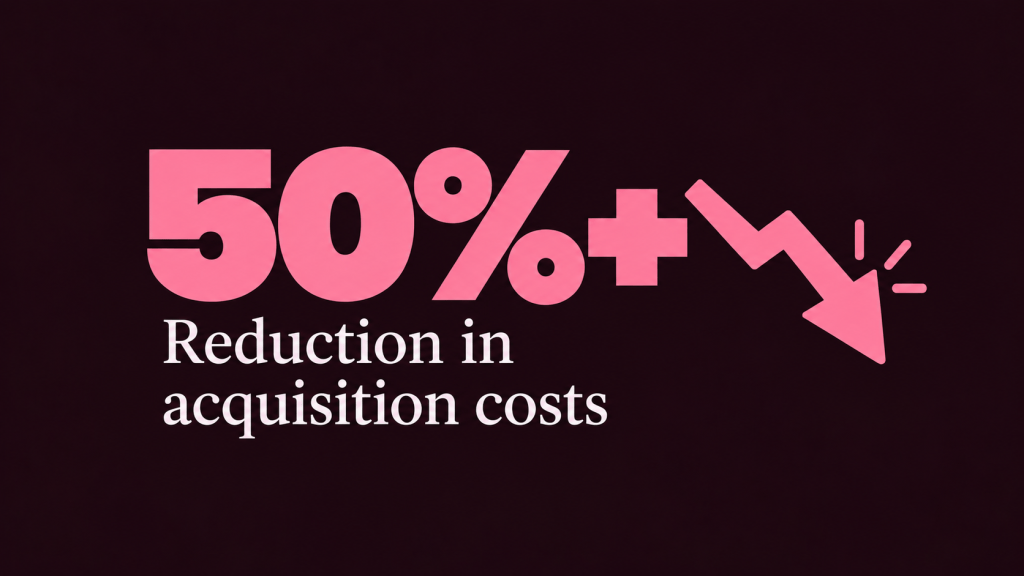
50%+ reduction in acquisition cost within the first quarter.
A stronger acquisition strategy wasn’t about spending more to get more. It was about making better decisions with the investment already on the table.
The takeaway: You can’t optimize your way out of a disconnected strategy. Better performance comes from getting the audience, message, and experience working together.
better leads.
not just more leads.
Sharper targeting and smarter audience segmentation helped turn LinkedIn campaigns into a stronger source of qualified opportunities.
More leads don’t necessarily mean better leads.
For B2B campaigns targeting high-value accounts, reaching a larger audience isn’t particularly useful if those people aren’t the right fit. The challenge was improving lead quality and creating opportunities that could actually move through the sales pipeline.
I refined LinkedIn campaign audience segmentation to better align targeting with the companies and decision-makers that mattered most.
Rather than optimizing for lead volume alone, I focused on audience relevance, buyer intent, and the connection between campaign targeting and sales priorities.
The goal was simple: fewer wasted impressions, more qualified opportunities, and a stronger path from marketing engagement to sales conversations.
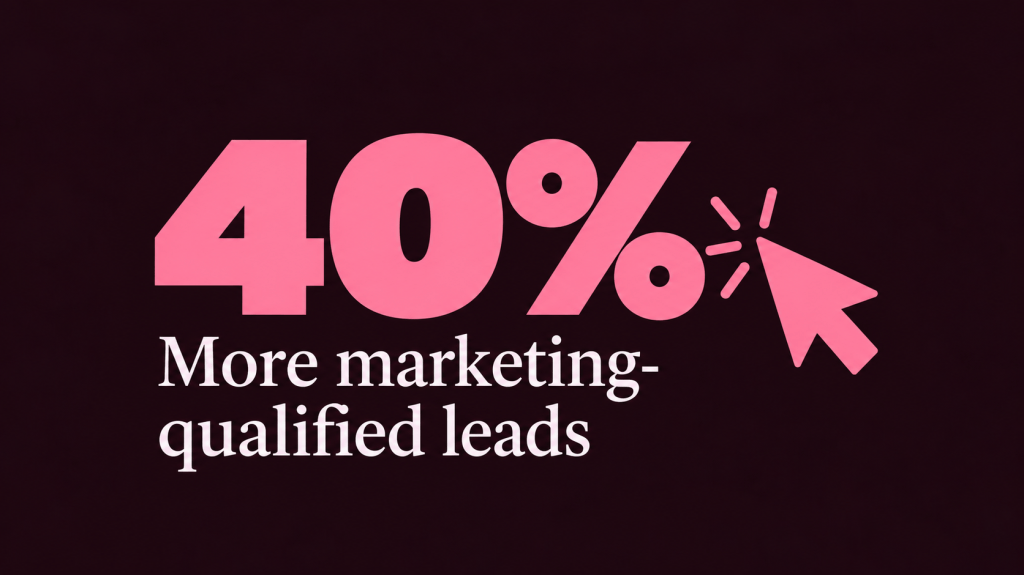
40% increase in marketing-qualified leads, with a shorter sales cycle for high-value accounts.
Better targeting didn’t just improve campaign performance. It helped bring more relevant prospects into the pipeline and move them toward meaningful sales conversations faster.
The takeaway: A cheaper lead isn’t necessarily a better lead. The real value of demand generation is attracting the right buyers and giving sales something worth following up on.
THE CLICK WAS WORKING.
THE EXPERIENCE NEEDED WORK.
A collaborative landing page redesign turned more visits into conversions, without needing more traffic.
Getting the right people to your website is only half the job.
You can have strong campaigns, relevant messaging, and qualified traffic. But if the landing page doesn’t deliver on what brought people there, you’re leaving opportunities on the table.
The challenge was improving the experience after the click, not simply driving more people to the page.
I partnered with the web team to test a new landing page design, bringing campaign performance insights into the website optimization process.
The focus was on creating a better connection between what visitors expected and what they experienced once they arrived.
Rather than treating the website and marketing campaigns as separate efforts, we used testing to understand what was working and where the experience could improve.
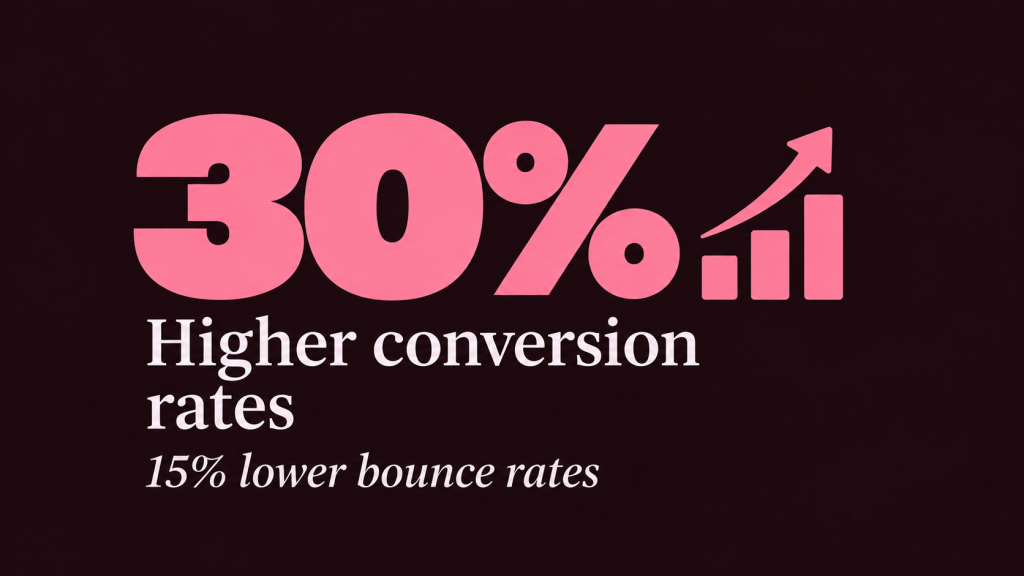
30% increase in conversion rates and 15% reduction in bounce rates.
The updated landing page helped more visitors take meaningful action while reducing the percentage who left without engaging.
The takeaway: Sometimes the biggest opportunity isn’t finding more traffic. It’s doing a better job with the traffic you already have.
BETTER WORK.
LESS RED TAPE. $89K SAVED.
When the agency wasn’t delivering, we brought it in-house and went from takeover to launch in under 30 days.
Expensive doesn’t always mean effective.
An external agency was charging a premium for work that wasn’t delivering results. Deadlines were consistently missed, deliverables fell short, and the quality of work didn’t justify the investment.
The problem wasn’t just the cost. It was everything the business wasn’t getting in return.
I audited the work being outsourced, evaluating the quality of deliverables, performance, timelines, and overall value of the agency relationship.
The findings made a compelling case for a different approach: bringing the work in-house.
Rather than continuing to pay for underperformance, we took ownership of the work internally, moving from transition to execution to launch in less than 30 days.
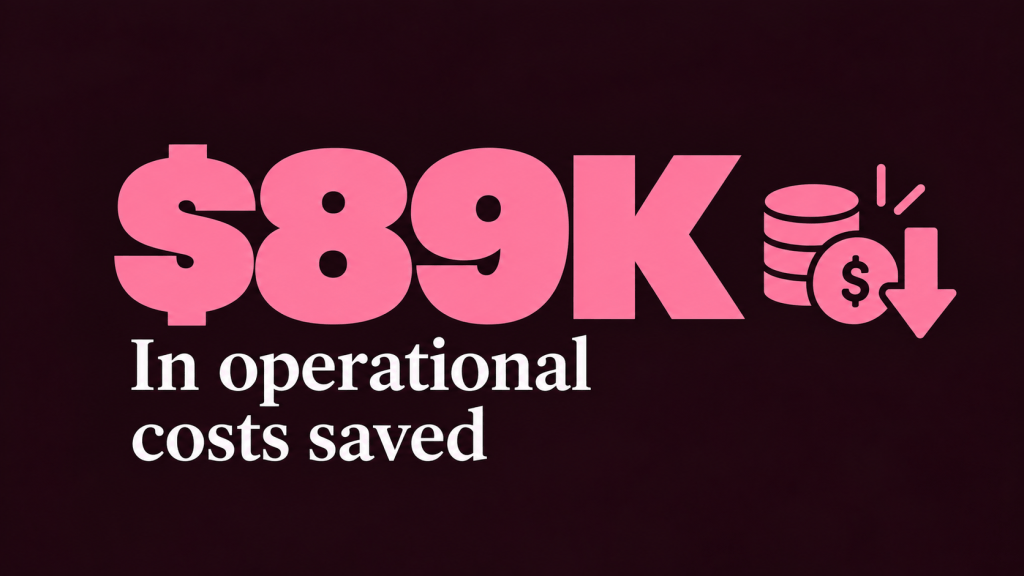
$89,000 in operational savings. From takeover to launch in under 30 days.
We eliminated unnecessary agency costs while bringing greater accountability, control, and execution in-house.
And we proved that moving faster didn’t have to mean spending more.
The takeaway: Outsourcing isn’t automatically more efficient. Sometimes the best investment is recognizing what your own team is capable of and giving them the opportunity to deliver.
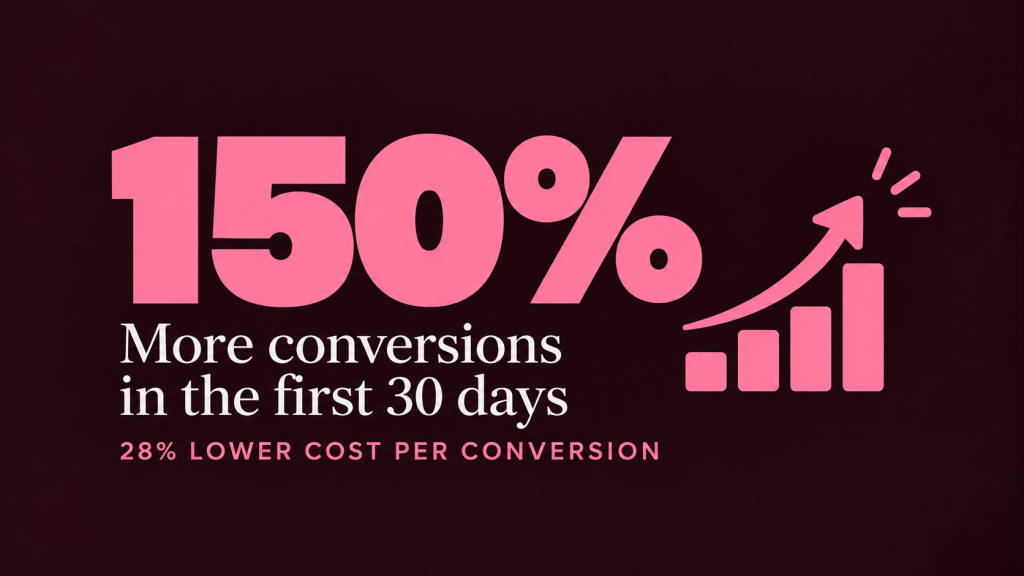
more conversions.
less wasted spend.
In just 30 days, a smarter approach to campaign optimization drove 150% more conversions while reducing cost per conversion by 28%.
More traffic doesn’t mean much if it isn’t converting.
Taking over an existing paid media account meant inheriting campaigns that weren’t delivering the results they should have been. The opportunity wasn’t necessarily to spend more. It was to figure out where performance was breaking down and make the existing investment work harder.
And I needed to prove that — quickly.
I started with a full account audit, digging into campaign structure, audience targeting, search intent, messaging, and conversion performance.
From there, I prioritized the changes most likely to move the needle: tightening targeting, refining messaging, improving campaign efficiency, and making ongoing optimizations based on actual conversion data.
Rather than chasing one impressive metric, I focused on getting conversions and acquisition costs moving in the right direction together.
150% more conversions and 28% lower cost per conversion within 30 days of taking over the account.
The improvements delivered more meaningful actions without requiring a bigger investment for every result.
And we demonstrated that a campaign turnaround doesn’t always require a complete rebuild. Sometimes it requires knowing where to look and what to fix first.
The takeaway: More conversions are great. More conversions at a lower cost? That’s what happens when targeting, messaging, and optimization start working together.
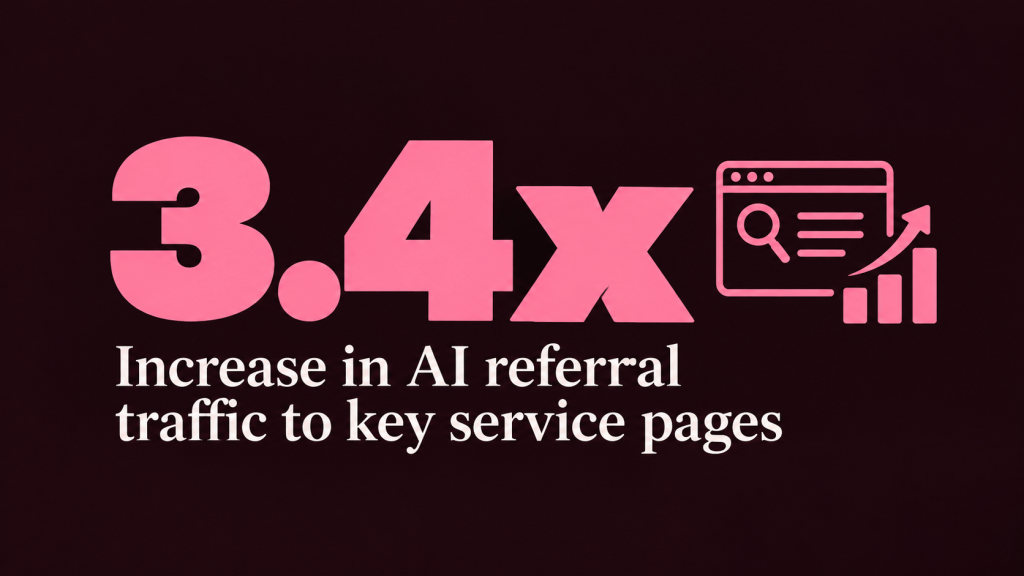
more than rankings.
More than keywords.
Connecting SEO, content strategy, and AI search optimization drove more qualified traffic and stronger engagement.
Ranking on Google was no longer the whole picture.
A professional services client wanted to increase visibility in AI-powered search and, more importantly, turn that visibility into meaningful website engagement and business opportunities.
The challenge was going beyond traditional SEO to make their expertise easier for AI platforms to discover, understand, and recommend.
I audited the client’s existing website, looking at technical SEO, content quality, page structure, and opportunities to improve AI search visibility.
From there, I developed an integrated SEO and AEO/GEO strategy focused on strengthening key service pages, improving internal linking, incorporating structured data, and aligning content with the questions prospective buyers were actually asking.
The goal wasn’t to chase AI mentions for the sake of visibility. It was to connect discovery with qualified website traffic and conversions.
3.4x increase in AI referral traffic, with stronger engagement and new conversion opportunities.
The strategy brought more prospective buyers to key service pages, generating new users, longer sessions, and form submissions.
We turned AI search visibility into something more valuable than mentions: website engagement and opportunities for the business.
The takeaway: Getting cited by AI is one thing. Turning that visibility into qualified traffic and meaningful action? That’s where the real value is.

